Why is Diesel Fuel More Expensive than Gasoline?
Understanding why diesel fuel often costs more than gasoline is crucial for business owners who rely on steady fuel supplies. From refining complexities to global demand, several factors contribute to price differences.
Why is Diesel Fuel More Expensive than Gasoline?
One of the most vital elements behind diesel’s better price is the refining process. Both fuel and diesel come from crude oil; however, their uses in industrial use differ significantly. Diesel needs to undergo greater refining steps, especially to fulfill today’s ultra-low sulfur diesel (ULSD) standards. Removing sulfur is highly-priced, related to complicated eras and excessive electricity consumption. Gasoline, whilst additionally refined, does now require the same degree of processing to conform to emissions policies. This distinction is how refineries spend extra cash to create diesel gasoline that meets federal and state standards. For companies consisting of fuel line stations, agricultural operators, and authorities’ fleets, those manufacturing prices immediately impact wholesale charges. Understanding this refining complexity enables explaining why diesel fuel is more expensive than gasoline? And permits commercial enterprise proprietors to count on fluctuations in operating budgets.
Seasonal Demand Shifts
Diesel calls for rises and falls in the course of the 12 months in methods that fuel does now no longer. During bloodless icy months, diesel competes with heating oil because each comes from the same petroleum distillates. When heating oil calls for spikes in areas just like the Northeast, diesel charges follow. At the same time, agriculture creates seasonal calls for, especially in the course of planting and harvest, while farms depend closely on tractors, combines, and irrigation pumps powered via means of diesel. Gasoline call for is greater predictable, peaking particularly in the course of summer time season using season. For companies in agriculture, construction, and municipal operations, those seasonal spikes create demanding situations while making plans for gasoline budgets. If an operation calls for diesel in the course of excessive calls for months, it’s going to pay more in comparison to fuel-reliant companies. This seasonal fluctuation underscores why cautious stock making plans and dealer relationships are so vital for organizations that rely upon diesel to keep equipment and motors running.
Higher Taxes and Regulations
Taxes and environmental rules play a primary function in diesel pricing. In the United States, diesel is taxed at a lower price than fuel in most states. This coverage exists in large part due to the fact that diesel-powered vans and heavy-duty gadget purpose put greater on and tear on highways, and governments use gasoline taxes to offset infrastructure costs. On top of taxes, diesel faces tighter environmental regulations than fuel. Regulators carefully reveal nitrogen oxide and particulate emissions, which might be better in diesel exhaust. To comply, refiners need to spend more on emissions-lowering processes, and fleet proprietors frequently put money into highly-priced after-treatment systems. For fuel line station proprietors, better taxes and compliance policies imply narrower margins while promoting diesel. For agricultural and authorities operations, stricter rules translate into better buying prices. These mixed pressures hold diesel continuously priced above fuel, making compliance and tax planning vital for companies that rely upon bulk diesel use.
Global Market Dynamics
Diesel is a gas with worldwide demand, even as gas remains extra regional across Europe, Asia, and Africa, diesel powers freight trucks, shipment ships, buses, and commercial vehicles. This worldwide reliance makes diesel pricing sensitive to worldwide marketplace fluctuations. For example, if Europe reports a scarcity of diesel, U.S. refiners can also export to extra distant places, decreasing delivery at domestic delivery costs and absorbing costs. Gasoline, in contrast, sees a heavier call in North America, with fewer worldwide change pressures. For American agencies, this indicates diesel pricing is tied to worldwide strength markets in addition to neighborhood conditions. Agricultural manufacturers and authorities’ fleets can enjoy a surprising fee increase because places deliver problems they don’t have any control over. Gas station proprietors additionally sense the impact as wholesale diesel costs upward push quicker than gas, making retail clients question the price gap. Global change dynamics make it clear why diesel stays extra pricey worldwide.
Transportation and Distribution Costs
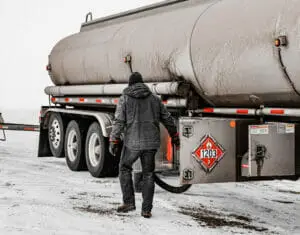
Moving diesel gas from refineries to stop customers additionally contributes to its fee. While gas in most cases flows to consumers going through retail stations, diesel has to serve numerous markets: trucking agencies, farms, municipal fleets, production sites, and retail pumps. These wide-ranging distribution desires require complicated logistics. Delivering diesel to rural areas, where farms and heavy machinery operate, frequently way higher transportation costs. Diesel has to be saved carefully to reduce contamination, including infrastructure fees for distributors. Government fleets and production agencies running in far-flung areas frequently pay extra because of those transportation challenges. Gas station proprietors likewise face higher distribution surcharges for diesel as compared to gas. All those elements integrate to make the very last introduced charge of diesel always better than gas. For agencies, knowing those hidden fees highlights the significance of operating with providers who can streamline distribution and control logistics efficiently.
Impact of Crude Oil Prices
Crude oil is the muse of all petroleum products; however, diesel’s closer connection to commercial demand makes it more sensitive to crude price shifts. When worldwide oil costs increase because of conflicts, delivery shortages, or OPEC decisions, diesel has a tendency to climb extra sharply than gas. This is due to the fact that diesel is vital for freight transportation, worldwide shipping, and large-scale farming. Gasoline costs additionally increase; however, demand elasticity is greater, and clients can also pressure much less while costs spike. Businesses, however, can not simply “use much less” diesel. Trucks have to supply goods, farms have to perform agriculture, and the authorities’ fleets have to keep running. This non-negotiable call for continued diesel costs compared to gas. Gas station proprietors, already operating on skinny margins, sense the squeeze extra with diesel than with gas sales. By monitoring crude oil trends, agencies can make higher forecasts, whilst diesel costs can also additionally surge, though they’ve restricted manipulation over those increases.
Supply Constraints and Infrastructure
The U.S. refining gadget was constructed with fuel demand in mind, given the country’s long-standing automobile culture. This has traditionally left diesel refining ability smaller than fuel ability. Even whilst crude oil delivery is stable, constrained diesel refining ability can approach inventories, tightening expenses above fuel. For authorities, fleets, and agriculture agencies, delivering constraints frequently suggest better fees at some point of vital operating seasons. Gas station proprietors may additionally face conditions wherein diesel pumps run dry at the same time as fuel remains available. This imbalance in infrastructure is a key cause why diesel stays pricier and extra unstable. Business proprietors depending closely on diesel have to prepare for those demanding situations with the aid of keeping strong service partnerships and diversifying fuel procurement strategies.
Choosing Reliable Fuel Partners
While worldwide markets, taxes, and refining situations explain why diesel gasoline is more expensive than fuel, commercial enterprise proprietors have to pay attention to practical solutions. For businesses that rely upon diesel fuel stations, farms, authorities, fleets, and production contractors, the concern is securing reliable, cost-effective delivery. Working with the proper companion could make a big difference. A reliable distributor facilitates control of bulk deliveries, displays marketplace trends, and ensures on-time gasoline availability even at some point of shortages. Brad Hall Fuel affords you the high-quality transport service, making sure steady delivery, aggressive pricing, and custom-designed answers to your commercial enterprise needs. Whether you use a hectic fueling station, control a municipal fleet, or run large-scale farming operations, Brad Hall Fuel is devoted to preserving your commercial enterprise. By selecting a dependable companion like Brad Hall Fuel, you benefit from peace of mind, understanding your operations will run efficiently, even in unstable markets.
Share:
More Posts


Get In Touch
👉 Contact Brad Hall Fuel today to learn how our bulk fuel solutions can power your business—wherever you are.