
Pros and Cons of Using Ethanol in Gasoline
Ethanol in gasoline has become a major topic in the fuel industry, influencing everything from pump prices to equipment performance. For business owners, understanding its pros and cons helps guide smart fueling decisions.
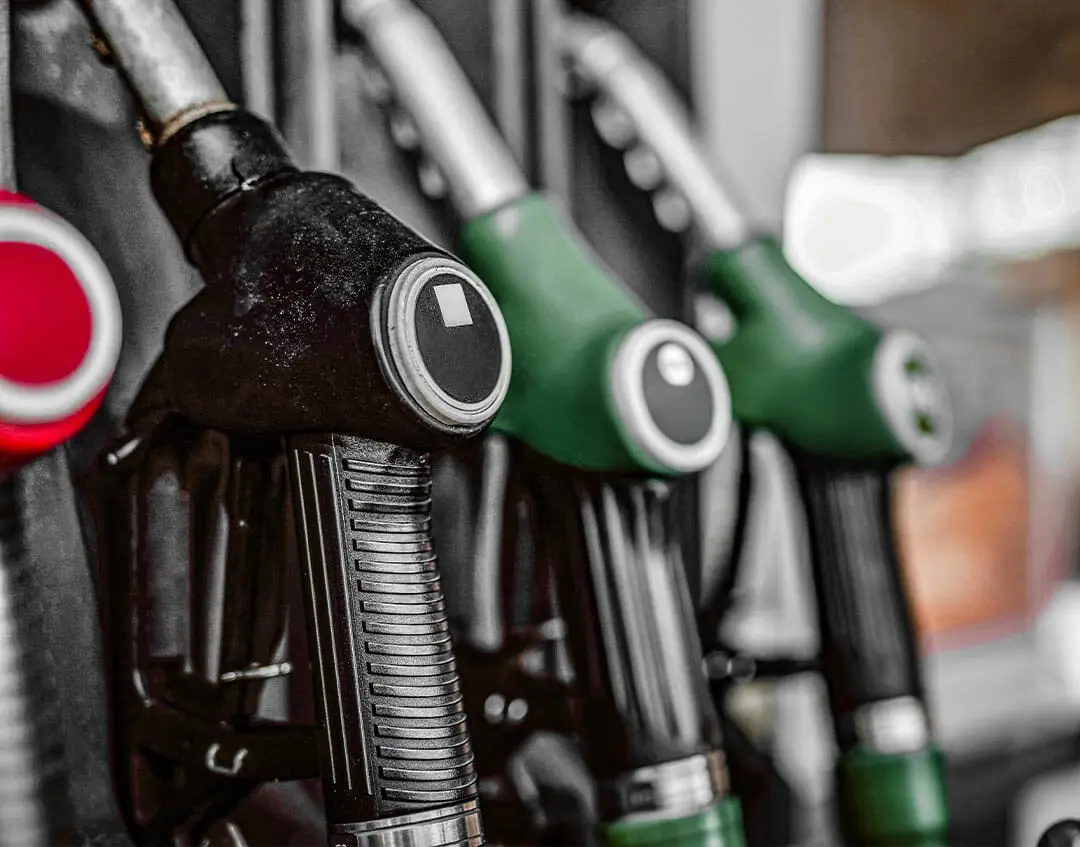
Pros and Cons of Using Ethanol in Gasoline
Over the beyond few decades, ethanol has grown to be an ordinary part of the American gas delivery. Blends like E10 (10% ethanol and 90% fuel) at the moment are well known at maximum fueling stations, even as better blends, which include E15 and E85, are to be had in certain markets. The advent of ethanol in gasoline changed to begin with, pushed via means of environmental and economic goals, such as lowering dependence on foreign oil and cutting greenhouse gas emissions. For enterprise proprietors, whether or not going for walks, fuel line stations, agricultural equipment, or government automobile fleets, expertise ethanol’s function is crucial. While ethanol gives certain blessings, it also provides operational and monetary challenges.
Environmental Benefits of Ethanol Blends
One of the most powerful arguments in choosing ethanol over gasoline is its fine environmental impact. Ethanol is derived normally from renewable resources, which include corn and various biomass, which means that it facilitates decreased carbon emissions in comparison to natural fuel. When blended, ethanol reduces tailpipe emissions, contributing to purifier air and compliance with environmental regulations. Government operations and agricultural groups that rely upon assembly emissions requirements frequently discover this and benefit, specifically while operating with large fleets. Ethanol, moreover, includes oxygen, which promotes more complete fuel combustion, reducing levels of carbon monoxide and other pollutants. For companies that prioritize sustainability, the usage of ethanol blends demonstrates a commitment to greener practices. However, the overall life-cycle emissions of ethanol manufacturing, specifically whilst factoring in land use adjustments, are nonetheless debated. Business proprietors must stay knowledgeable to ensure compliance and keep away from surprising regulatory risks.
Cost Advantages and Pricing Considerations
Ethanol has historically been inexpensive to provide than natural fuel, giving it a price benefit at the pump. For fuel line station proprietors, mixing ethanol can help provide aggressive gasoline charges that appeal to more customers. Agricultural operations and fleet managers have an additional advantage while gasoline budgets stretch further. In a few cases, federal and national incentives have recommended ethanol use, providing extra monetary benefits for groups. However, ethanol charges can vary depending on crop yields, climate conditions, and international calls for corn. This volatility can, every now and then, offset the predicted financial savings. Furthermore, ethanol’s decreased electricity density means that automobiles also require greater gasoline to travel the same distance, potentially raising prices for groups with large fleets. For decision-makers, it turns into a stability between prematurely financial savings at the pump and long-term performance impacts.
Impact on Engine Performance and Equipment Longevity
Ethanol is a robust solvent that can smooth out deposits in older engines; however additionally cause problems if the system turned into now no longer designed for ethanol blends. Higher ethanol content can motivate corrosion in gasoline lines, tanks, and seals, mainly in older automobiles not designed for flexible-gasoline usage. For current engines, E10 and E15 normally run without substantial problems; however, better blends may also lessen performance because of ethanol’s lower energy content. Small engines, like the ones utilized in farm systems or municipal protection tools, are especially sensitive to ethanol-associated issues, together with tough starts of evolved and reduced lifespan. Proactive protection, right garage practices, and deciding on the proper combination for particular equipment can assist in mitigating risks. Business proprietors need to compare whether or not the overall performance drawbacks outweigh the advantages for their operations.
Storage and Handling Challenges for Businesses
Storing ethanol-combined fuel calls for greater interest than conventional gasoline. Ethanol draws water that can cause segment separation in tanks, developing each gasoline’s worst problems and system damage. For fuel line station proprietors, incorrect garbage can bring about clogged filters, pump malfunctions, and pricey repairs. Agricultural and authorities operations with on-web website online tanks face comparable risks, especially whilst storing huge volumes of gasoline for seasonal or emergency use. Ethanol additionally has a shorter shelf life in comparison to natural fuel, which means that gasoline turnover needs to be controlled cautiously to keep away from spoilage. To deal with those challenges, groups have to put money into the right tank protection, moisture prevention measures, and ordinary inspections. Fuel providers with understanding in ethanol dealing can offer treasured guidance and transport practices that lessen risks. For groups that can’t come up with the money for downtime, knowledge and coping with ethanol’s specific garage desires is a critical part of maintaining operations smoothly.
The Agricultural Connection and Domestic Energy Security
Ethanol manufacturing has created a unique hyperlink between the agriculture and power industries. Corn is the number one feedstock for ethanol within the United States, which benefits American farmers and strengthens home energy independence. For agricultural groups, this dating may be effective in helping nearby economies and developing extra sales streams for crop producers. From a broader perspective, mixing ethanol in gasoline reduces reliance on imported oil, contributing to country-wide power security. Government operations that prioritize strong and homegrown gasoline substances see this as a substantial benefit. However, this connection additionally introduces ability conflicts. When crop demand for ethanol rises, meals expenses can increase, mainly due to monetary debates about whether or not farmland has to prioritize gasoline or food production. Business proprietors want to recognize those dynamics due to the fact they without delay impact gasoline prices and provide stability. Staying knowledgeable on agricultural coverage and marketplace tendencies can assist expect shifts that have an effect on everyday operations.
Customer Demand and Market Perception
From a commercial enterprise perspective, purchaser notion performs a vital position in gasoline sales. Many drivers view ethanol-combined fuels as environmentally pleasant and cost-effective, developing a tremendous advertising attitude for fuel line stations. Businesses that spotlight ethanol alternatives can also appeal to eco-aware clients and meet growing calls for sustainable electricity solutions. However, now, no longer are all clients absolutely convinced. Some continue to be skeptical because of issues concerning engine damage, decreased mileage, and compatibility troubles with older vehicles. This combined notion creates an undertaking for commercial enterprise proprietors who have to stabilize supplying ethanol blends while addressing consumer issues. For agricultural and authorities operations, public consideration is similarly vital. Fleets that run on ethanol can also want to talk about the environmental and financial benefits sincerely to stakeholders. Transparency approximately ethanol’s pros and cons enables holding credibility whilst making sure clients and groups recognize the reasoning in the back of gasoline choices.
Balancing Pros and Cons for Long-Term Success
For groups throughout industries, ethanol in gasoline presents each with possibilities and challenges. On one hand, it helps purify emissions, strengthens home agriculture, and affords a few benefits. On the other hand, it introduces issues approximately gasoline efficiency, system compatibility, and garage requirements. Gas station proprietors, agricultural groups, and authorities have to weigh those trade-offs to make knowledgeable fueling decisions cautiously. Partnering with a dependable gasoline dealer is fundamental to navigating this landscape. At Brad Hall Fuel, we recognize the complexities of ethanol-combined fuel and the particular desires of commercial enterprise operations. Whether you run a retail fueling station, control farm machinery, or oversee a central authority fleet, Brad Hall Fuel affords reliable shipping and tailor-made solutions. With the proper partner, you may maximize the benefits of ethanol while minimizing the risks, making sure your commercial enterprise remains fueled, efficient, and prepared for the future.
Share:
More Posts


Get In Touch
👉 Contact Brad Hall Fuel today to learn how our bulk fuel solutions can power your business—wherever you are.