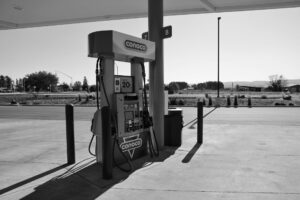
Fueling Your Fleet: How Businesses Can Maximize Fuel Efficiency
In today’s competitive market, fueling operations efficiently can be the difference between thriving and merely surviving. For retail and commercial fuel businesses managing a fleet, mastering fuel efficiency boosts margins and strengthens service reliability across sectors from agriculture to government ops.

Fueling Your Fleet: How Businesses Can Maximize Fuel Efficiency
For proprietors of gas stations, agricultural enterprises, government fleets, or logistics companies, fueling isn’t just an earthly task; it’s a cornerstone of profitability. When you control dozens, hundreds, or maybe lots of vehicles, each drop of gasoline represents actual value. Rising gasoline prices and variable costs make it critical for groups to recognize how gasoline performance affects the bottom line. Unlike consumer-centered operators, industrial and retail gasoline groups should provide reliable access to gasoline while optimizing use and minimizing waste. This twin duty calls for a strategic view of gasoline procurement, shipping scheduling, stock control, and fleet utilization.
Fueling choices affect operational costs, scheduling reliability, and customer satisfaction. For example, an agricultural contractor operating a large fleet throughout planting or harvest wants to keep machines moving rather than waiting for diesel deliveries. An authority organization responsible for snow removal vans should ensure gasoline is available when the primary typhoon hits. In every case, stepped-up gasoline performance complements operational resilience, strengthens provider shipping, and enhances the aggressive edge. Recognizing fueling as a strategic asset rather than a value middle is step one towards maximizing performance and profitability.
2. Smart Purchasing and Inventory Management
Getting the first-class price at the pump starts long before the gasoline hits the ground. For industrial gasoline groups, effective procurement strategies can lock in savings and reduce volatility risk. Bulk-buying agreements, hedging options, and contracts with dependent providers help shield margins, particularly when gasoline prices fluctuate. Inventory control is similarly important, as overstocking ties up working capital and increases the risk of garage shortages, while understocking leads to supplier interruptions.
Retail gasoline station owners can use forecasting tools that analyze historical demand patterns and seasonal fluctuations to optimize purchase timing and quantities. Agricultural groups with big system fleets can coordinate fueling with crop cycles to ensure constant delivery without overbuying. Government operations can use a call for forecasting to plan for peak utilization periods, such as summer street painting or winter emergency responses.
By integrating call for data, delivering contracts, and real-time reporting, groups can create a responsive fueling method that balances value and availability. Effective stock control minimizes waste, reduces garage costs, and guarantees your fueling infrastructure helps your operational goals.
3. Improving Vehicle and Equipment Fuel Efficiency
One of the most direct ways to maximize gasoline performance in an industrial setting is to optimize how your fleet actually uses gasoline. Regular maintenance ensures engines run efficiently, filters are clean, tires are properly inflated, wheels are aligned, and the engine is tuned for optimal performance. Preventive renovation packages can capture inefficiencies earlier than they become luxurious breakdowns.
Operational behavior additionally plays a role. Training drivers to avoid excessive idling, aggressive acceleration, and unnecessary weight can significantly reduce emissions. For agricultural machinery, adjusting painting styles to avoid excessive heat and excessive idling improves fuel performance. Government fleets benefit from routing optimization; fewer miles driven with smarter routes mean much less gasoline is burned.
Investing in modern, gasoline-powered automobiles can also pay off. Newer models often feature advanced fuel control systems, hybrid technology, or telematics that provide data on driving behavior and performance. These structures assist enterprise proprietors in displaying real-time fuel utilization and in modifying operations to improve fuel efficiency, reinforcing cost management and sustainability goals.
4. Telematics and Data‑Driven Fuel Management
In a B2B environment, information isn`t a luxury; it`s a strategic asset. Telematics systems provide specific insights into fuel consumption, driving behavior, idle time, and route performance. For retail and industrial gasoline agencies, telematics transforms the way you manage a fleet, providing transparency into every gallon consumed and every mile traveled.
With this information, agencies can become aware of inefficiencies, set benchmarks, and comprehend how particular behaviors affect gasoline performance. For example, telematics can spotlight automobiles that continuously devour extra gasoline because of driving behavior or mechanical issues. Fleet managers can then intervene with focused education or renovation. Seasonal shifts in utilization or surprising spikes in gasoline intake become visible, allowing proactive adjustments.
Data also supports better planning and accountability. When each driving force and each automobile is tracked, it will become easier to forecast gasoline needs, plan deliveries, and negotiate provider contracts based on actual utilization trends. In essence, information turns fee facilities into knowledgeable decision‑making power, assisting industrial gasoline operations optimize each fueling logistics and gasoline performance outcomes.
5. Route Planning and Scheduling for Maximum Efficiency
For groups that depend on fueling a couple of cars across extensive geographic areas, smart route planning is a game-changer. Logistics inefficiencies like redundant trips, visitor congestion, or poorly scheduled stops waste gasoline and erode profitability. Advanced routing software considers variables such as distance, visitor patterns, transport windows, and vehicle capacity to create fuel-efficiency-optimized schedules.
Agricultural corporations with carrier vehicles touring among activity sites can reduce travel time and fuel consumption by clustering tasks by location. Government corporations coping with restoration crews or emergency response fleets can leverage predictive analytics to pre-identify sources and reduce response time while keeping costs down. Retail gasoline vendors can optimize transport routes to ensure well-timed refueling of associate stations with minimum backtracking.
The result? Less time on the road, lower gasoline costs, a more advanced consumer carrier, and reduced wear on cars. In the right direction, your enterprise no longer simply cuts costs; it strengthens operational reliability and positions itself as a smarter, greener carrier company in a competitive market.
6. On‑Site Fueling Solutions and Infrastructure Upgrades
For groups with large system fleets, together with production companies, farms, or government renovation divisions, on‑site fueling infrastructure can significantly improve fuel efficiency. Instead of coordinating a couple of off‑site stops or relying entirely on outside filling stations, on‑site tanks and dispensers allow cars to refuel en route to painting zones. This reduces deadhead miles and guarantees cars are prepared whilst needed. Upgrading fueling infrastructure further enhances security and compliance. Modern pumps with metering systems monitor gasoline allotment for each car, reducing theft, enhancing accountability, and providing data for pricing allocation. Automated tank gauging structures alert managers to low levels, stopping outages and allowing well-timed reordering.
For retail gasoline business owners, expanding infrastructure, including diesel lanes, high‑float pumps, or dedicated business fueling bays, caters to fleet customers seeking comfort and reliability. These investments appeal to large customers such as trucking companies, municipal corporations, and agricultural operations, boosting sales while supporting green fueling practices.
7. Litigation and Regulatory Compliance in Fueling
In an international context, an increasing number of businesses are prioritizing sustainability, and oil companies need to balance operational needs with environmental responsibilities. Improving gasoline performance isn’t just a cost‑saving measure; it’s a pathway to reducing emissions and meeting assembly regulatory requirements. For enterprise proprietors, this means adopting practices that reduce standard gasoline consumption and align with environmental standards. Efforts can include investing in clean engine technologies, using alternative fuels when feasible, and implementing performance applications that reduce unnecessary idling and empty runs. Fueling documentation and reporting assists corporations in observing authorities’ regulations, avoiding fines, and exhibiting environmental stewardship, a vital differentiator in public contracts and network relations. Retail gasoline station owners can support sustainability by offering high‑quality, cleaner gasoline alternatives or offerings like DEF (Diesel Exhaust Fluid) for commercial diesels. Government and big business fleets often have mandates to reduce carbon footprints; partnering with providers that prioritize fuel efficiency and sustainable shipping practices strengthens compliance and supports long-term operational goals.
8. Partnering with a Trusted Fuel Supplier: Brad Hall Fuel Advantage
Choosing the proper dealer is one of the most impactful decisions a business can make. When your fueling approach hinges on reliability, pricing transparency, and constant quality, Brad hall Fuel will be the companion of choice. We recognize the needs of fueling station proprietors, agricultural operations, government fleets, and other businesses that depend on gasoline to keep operations running. It offers tailor-made shipping schedules, aggressive pricing for enterprise customers, and superior reporting to help you monitor gasoline performance across your operations. Our professional group works with you to customize solutions, whether it`s scheduled bulk deliveries, emergency refills, or online fueling assistance. We focus on minimizing downtime and helping you leverage every element of gasoline utilization to enhance overall performance and profitability.
In an enterprise where margins are tight and reliability matters, aligning with a dealer who understands your business makes all the difference. With Fuel, you benefit more than with gasoline; you get a dedicated companion that helps your enterprise run smarter, leaner, and more effectively every mile of the way.
Share:
More Posts


Get In Touch
👉 Contact Brad Hall Fuel today to learn how our bulk fuel solutions can power your business—wherever you are.