
Fuel Storage Best Practices for Commercial and Industrial Operations
Commercial and industrial Fuel Storage involves more than simply storing product in a tank; it is a system that safeguards uptime, personnel, and profitability. These best practices help retail and commercial fuel businesses minimize losses, maintain compliance, and ensure smooth operations.
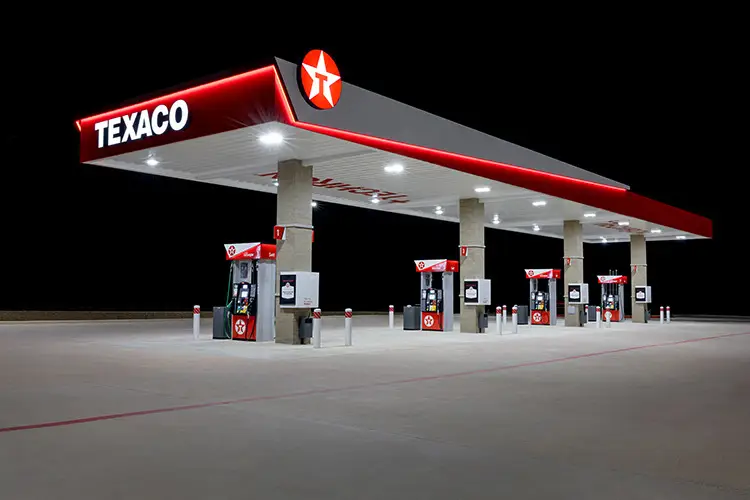
Fuel Storage Best Practices for Commercial and Industrial Operations
In B2B environments, fuel stations, cardlocks, fleets, farms, mines, and authorities yards, Fuel Storage is a part of your delivery chain. Start by documenting what you store (diesel, gasoline, dyed diesel, DEF, additives), how quickly you switch it, and what downtime might cost you per hour. That simple “commercial enterprise effect” view helps you choose the right tank type, tracking, and maintenance schedule. A retail webpage might also prioritize UST tracking and reconciliation, even as an agriculture backyard might also prioritize AST secondary containment and seasonal turnover. Create a written web page plan that covers shipping routes, secure fill points, spill package locations, emergency shutoffs, and who has the authority to obtain loads. Tie this into your buying plan: many operations lose margin by shopping reactively during demand spikes. A properly configured software unit defines reorder points, sets a minimum on-hand volume, and assigns responsibilities (who tests levels, who evaluates alarms, who documents compliance paperwork). Regulators and insurers additionally assume consistency: inspection logs, education records, and corrective actions. Treat the plan like a “trendy working procedure” that makes overall performance repeatable across multiple sites.
Tank choice and placement format: layout for protection and serviceability
The nice Fuel Storage setup is one you could inspect, service, and contain without interrupting operations. Choose tanks and piping designed for the gasoline type, climate, and throughput; ensure your tank length aligns with your garage’s layout so gasoline doesn’t settle and degrade. Keep access in mind: shipping vehicles need secure access angles, a strong floor, and clear signage so drivers can connect with the ideal fill. For an above-floor garage, secondary containment (double-wall tanks or bermed/bunded containment) is mostly a middle requirement and a realistic protection against expensive releases. For underground systems, corrosion protection, leak detection, and right tracking devices are essential, and layouts need to support testing and maintenance without excavation surprises. Place tanks away from ignition sources and high-traffic areas, and shield inclined regions with bollards or barriers. Venting and overfill prevention are no longer extras; they`re the distinction between habitual deliveries and incident response. A properly formatted plan also accounts for growth, including dispensers, more tanks, or new product grades, so that later needs no longer pressure a complete rebuild. Smart layout reduces the long-term compliance burden and lowers the overall cost of ownership.
Compliance and documentation: make inspections and information unavoidable
For business Fuel Storage, compliance is a day-by-day habit, now no longer a once-a-year scramble. Build an easy inspection rhythm: daily brief checks (leaks, stains, unusual odors, alarms), weekly checks (containment condition, caps, vents, signage), and scheduled integrity/structural inspections based on your device and the requirements of nearby devices. If your facility is covered by spill prevention rules, documented inspections are designed to catch problems before they become discharges, so your office work must show you looked, found, and fixed. Keep information centralized: deliveries, reconciliations, tank gauge reports, alarm history, renovation tickets, and schooling rosters. When you run a couple of sites, standardize paperwork so audits don’t turn into website online-by website online detective work. For UST operations, month-to-month tracking and launch-detection expectations are common, and relying solely on gradual indicators (such as groundwater tracking) may be unreliable and fail to meet best-practice compliance goals. Create an escalation path: what happens whilst an alarm is triggered, who investigates, how quickly, and what is documented. The aim is to reveal how products, risks, and corrective actions are managed, because that’s what regulators, insurers, and clients need to see.
Fuel first-class management: shield engines, dispensers, and purchaser trust
Fuel Storage troubles regularly surface downstream as device failures, clogged filters, dispenser problems, or customer complaints, especially when water and contamination are involved. Manage first-class proactively: preserve fill caps sealed, shield vents, and manage water ingress thru right tank renovation and placement of drainage. Water bottoms and microbial booms are common diesel enemies, specifically in humid climates or low-flip tanks. Plan turnover so gas is fed into its garage life, and set triggers for movement whilst a tank sits longer than normal (seasonal yards and backup turbines need greater attention). Use filtration and water-keeping apart filters when appropriate, and schedule tank cleaning before an infection becomes a crisis. For retail and fleet fueling, a smooth product is reputation: a single bad load incident can disrupt multiple customers and lead to costly claims. Temperature swings can grow condensation, so display patterns, now no longer simply one-off readings. Fuel reconciliation additionally helps identify potential issues such as leaks, theft, or metering problems that allow infection or water to move unnoticed. Quality is operational excellence: whilst your saved gas remains on spec, your operations live predictably, and your clients live loyal.
Spill prevention and emergency readiness: expect errors to happen
Even robust groups make errors, such as an incorrectly opened valve, a hose that is no longer seated, an overfill event, or a forklift bump. The excellent Fuel Storage websites are constructed to fail safely. Secondary containment is the primary layer; it’s no longer sufficient without procedures: affirm product and tank before offloading, require attended deliveries, and use clean labeling at each connection point. Keep spill kits sized for sensible worst-case eventualities and store them where the spill could occur (fill factor, dispenser island, generator day tank area). Train a group of workers on instant actions: prevent the source, defend drains, include, and notify. Practice reactions, such as during heart attack drills fast, easy steps lessen severity. Maintain clean access to shut-offs and ensure lighting fixtures help with nighttime deliveries. For multi-web page businesses, standardize emergency signage and speak to timber so contractors and new hires don`t guess. Document each incident and near-miss; sample monitoring enables you to save on repeats (for example, ordinary drips at one fill factor can also suggest worn gaskets or inconsistent coupling practices). Preparedness is likewise a customer-carrier issue: the quicker you include and recover, the quicker you come to ordinary income and carrier.
Monitoring, reconciliation, and leak detection: affirm each gallon
If you can`t measure it, you can`t improve it. Modern Fuel Storage packages integrate tank gauging, alarms, and disciplined reconciliation. For retail and high-volume websites, take variances seriously: small day-to-day losses can add up and signal leaks, theft, meter drift, or transport errors. Automated tank gauge (ATG) structures and sensors can assist; they should be maintained, tested, and properly configured an era left out will lead to a false sense of security. For UST environments, select leak detection techniques that provide timely detection and meet operational needs; delayed detection can imply the infection has already occurred by the time alarms trigger. For bulk AST websites, routine integrity exams and documented inspections help detect corrosion, settlement, and structural issues early. Combine machine information with human inspections: a brief walk-through nevertheless reveals what dashboards miss (staining, broken vents, loose caps, compromised containment). Set thresholds for motion and assessment traits monthly, now no longer simply while something looks “off.” When you use fleets, farms, or authority yards, tracking additionally helps budgeting and fraud prevention. Ultimately, robust dimension protects margin: fewer unaccounted losses, fewer emergency repairs, and fewer regulatory surprises.
Training and duty: flip exceptional practices into everyday behavior
Fuel Storage is as much a human gadget as it is miles of tanks and pipes. Write role-based methods: what a domain supervisor has to evaluate weekly, what a receiver has to do during deliveries, what preservation has to test monthly, and what management audits quarterly. Train on the “why,” now no longer simply the steps, while groups recognize that one flawed connection can close down a whole website, compliance will become personal. Include contractors: many incidents occur when 0.33 events don’t recognize your website’s online rules. Keep education brief and practical: transport receiving checklist, alarm response, use of spill packages, and housekeeping standards. Reinforce with seen cues, labels, color coding, and published methods on the factor of work. Build duty with easy metrics: inspection of the entirety rate, alarm reaction time, variance trends, and corrective movement closure. Recognize performance properly; it reduces shortcuts. Also, plan for turnover: in retail and multi-shift operations, people often rotate, so onboarding has to be repeatable. A mature software system creates muscle memory, so your operation remains secure and worthwhile, irrespective of who’s on shift.
Vendor partnership: give a boost to Fuel Storage with dependable delivery and service
Even the exceptional inner software needs the right partner. B2B Fuel Storage fulfillment relies on steady product availability, on-time deliveries, and guidance when things change, including seasonal spikes, emergency generator runs, harvest surges, hurricane responses, or retail expansion. Look for a provider that understands business realities: multi-web website coordination, clear communication, secure transport practices, and guidance on storage, monitoring, and preservation planning. The proper companion helps you avoid problems, not just react to them with website evaluations, software recommendations, and services that keep tanks running smoothly and systems reliable. For organizations serving the public (gas stations, cardlocks) or mission-essential operations (authorities fleets, agriculture, construction), reliability is revenue. Brad Hall Fuel is built on that B2B expectation, assisting retail and business clients with reliable delivery, expert transport, and the operational know-how to keep your Fuel Storage software running smoothly so your enterprise can focus on serving clients, not chasing fuel.
Share:
More Posts


Get In Touch
👉 Contact Brad Hall Fuel today to learn how our bulk fuel solutions can power your business—wherever you are.