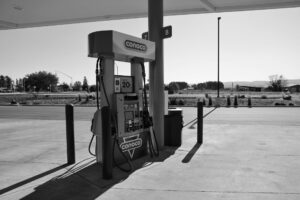
Cost-Saving Strategies to Manage Fleet Fuel Management
Efficient fuel management is vital for companies that operate fleets of vehicles, including petrol stations, farms, and government agencies. Implementing cost-saving strategies could significantly reduce fuel expenditures, improve operational efficiency, and advance sustainable goals.

Cost-Saving Strategies to Manage Fleet Fuel Management
In the commercial and retail industries, controlling fuel costs efficiently is vital to increasing profits and operational efficiency. In the face of fluctuating fuel prices and increasing focus on environmental sustainability, companies that depend on fleets including gas stations, agriculture-related enterprises, and government agencies need cost-effective methods to manage their fuel use. In this post, we look at some important techniques for managing fleet fuel that can help businesses save cash, reduce waste, and improve operational efficiency.
A dependable Fuel management software is a vital tool for firms looking to manage their fuel costs. Utilizing this modern equipment, fleet managers will be able to track fuel consumption in real time and make informed decisions to prevent waste, optimize fuel use, and spot anomalies such as fraud or fuel theft.
Fuel management systems provide precise information on fuel consumption, including fuel volume, fueling time, and vehicle identification, enabling businesses to track fuel consumption more effectively. In addition, these systems can be integrated with fleet management software, making it easier for administrators to access all relevant information in a single system. Through automated tracking of fuel and data reporting, the systems don’t just reduce the time spent managing fuel but also ensure compliance with environmental regulations and industrial standards.
Optimizing Fuel Procurement Strategies
A well-planned procurement strategy could significantly affect the cost of fuel for fleet owners. One of the most efficient ways to cut down on fuel costs is to purchase in bulk and enter long-term contracts with fuel suppliers. By negotiating favorable terms and securing lower per-gallon rates, businesses can achieve significant savings on fuel expenses.
Strategies for sourcing fuel should be centered on:
- Purchasing large quantities of fuel can yield significant savings, particularly when fuel prices are low. Building a lasting relationship with your supplier can help lock in lower prices over time.
- Monitoring fuel prices: By tracking market trends, companies can make purchases when prices are lower, thereby helping reduce costs.
- A management system that reduces inventory costs ensures the fuel supply is always sufficient and not overstocked. This can help reduce Storage costs and minimize the risk of fuel waste due to spoilage or expiration.
Utilizing an efficient procurement plan lets businesses take advantage of fluctuating costs and secure the lowest possible prices for their energy needs.
Utilizing Fuel Cards for Expense Control
Fleet operators with fuel cards can benefit from an efficient way to manage fuel costs. They are designed to help businesses manage fuel costs through a range of customizable features, including spending limit reports, spending limits, and monitoring.
The fuel cards can be configured to restrict fuel purchases to specific cars, fuel types, and areas. The customizable settings can help reduce the risk of unauthorized or excessive fuel purchases. In addition, fuel cards offer detailed transaction reports tha allow companies to examine fuel spending patterns, spot areas of inefficiency, and create policies for management.
The benefits of using fuel cards are:
- Cost tracking: The fuel cards offer comprehensive reports on fuel consumption, making it easier for business owners to track expenses across their fleet.
- Controlling spending: Managers can set limits to ensure fuel costs stay within budget.
- Increased efficiency: These cards can integrate with accounting and fleet management software, facilitating expense reconciliation while reducing administrative burden.
By using Fuel cards, fleet directors have greater control over their fuel costs. They can implement policies and monitor consumption more efficiently.
Leveraging Technology for Route Optimization
Optimizing routes can be an effective way to reduce fueling expenses for your fleet. By using advanced software that analyzes traffic patterns, road conditions, and delivery schedules, businesses can ensure their fleets follow optimal routes. This can reduce fuel consumption and travel time, increasing overall operational efficiency.
The benefits of optimizing routes comprise:
- Lowering fuel: By avoiding congested areas and taking the most efficient, least crowded routes can reduce fuel consumption.
- Efficiency: Improved routes reduce travel time and enable drivers to complete more deliveries in less time.
- Increased customer satisfaction: Speedier delivery leads to greater satisfaction and better service.
Combining route optimization software with live GPS data enables fleet managers to adjust routes in real time, ensuring cars continue to operate optimally.
Investigating Alternative Fuel Options
Businesses are trying to reduce their dependence on fossil fuels and other energy sources; alternative fuel options are attractive. They include CNG, propane and compressed natural gas (CNG) as well as propane as well as electric vehicles (EVs) and will reduce the cost of fuel as well as impact on the environment. Although the transition to alternative fuels requires initial investments in infrastructure and vehicle conversions, the long-term savings are substantial. Subsidies and incentives: Many government agencies offer tax credits, subsidies, and other incentives to businesses that choose to use alternative fuels, making the switch financially easier. For fleet companies looking to lower fuel costs while achieving sustainable goals, alternative energy sources are a more attractive option.
Collaboration With Reliable Fuel Delivery Services
Businesses like Brad Hall Fuel offer tailored solutions for industries such as agriculture, government-related operations, and even gas stations. These companies help firms manage fuel costs efficiently.
The main benefits when working with a delivery service are:
- Deliveries scheduled: Businesses can arrange regular fuel deliveries to ensure they are always stocked.
- Refueling in emergencies: In the event of a fuel shortage, delivery companies can offer emergency fueling to reduce the risk of operational interruptions.
- Transparent billing: Trustworthy fuel suppliers offer clear, precise billing. This makes it much easier for businesses to monitor fuel costs and plan accordingly.
When working with a reliable fuel delivery service like Brad Hall Fuel, businesses can streamline their fuel management, cut costs, and boost efficiency.
Conclusion
Strategies for cost-saving to manage fleet fuel costs are vital for firms looking to reduce fuel costs and improve overall operational efficiency. By implementing an advanced fuel management system, enhancing purchasing strategies, and encouraging a culture of fuel efficiency, businesses can achieve long-term environmental and cost savings. What’s more, whether it’s through preventive maintenance, driver training, or switching to other fuels, there’s a variety of methods to cut down on fleet fueling expenses and increase the profitability of your business. Suppose you are a business looking for reliable, efficient, and effective fuel delivery services. In that case, Brad Hall Fuel offers tailored services to meet your business’s needs, ensuring your fleet runs smoothly.
Share:
More Posts


Get In Touch
👉 Contact Brad Hall Fuel today to learn how our bulk fuel solutions can power your business—wherever you are.