
Why Fueling Strategy Matters for Commercial Fleets
On-site fueling and retail fueling each offer distinct cost advantages for Commercial Fleets, depending on fleet size, fuel volume, and operational structure. Understanding these differences helps businesses control expenses, improve efficiency, and choose a fueling strategy that supports long-term growth.
Why Fueling Strategy Matters for Commercial Fleets
Fueling is one of the largest ongoing expenses for organizations managing vehicle fleets. Whether you oversee transport vans, construction equipment, heavy-duty tractors, or service vehicles, your fueling decisions directly impact your bottom line. For commercial fleets, choosing a fueling method is not just about finding the lowest price. It requires evaluating operational efficiency, driver convenience, inventory management, safety compliance, and overall cost control. As business owners and fuel service providers, understanding the trade-offs between on-site and retail fueling will help maximize profitability and service quality.
What Is On-Site Fueling for Commercial Fleets?
On-web page fueling manner storing fuel at your personal facility and refueling motors without delay on location. This method is not unusual for large Commercial Fleets that operate from a centralized yard, depot, or agricultural site. Instead of drivers going to retail fuel stations throughout the day, vehicles and equipment return to a domestic base where fueling can be controlled, scheduled, and monitored by the enterprise owner. Advantages of on-web page fueling include predictable fuel pricing, reduced downtime, improved route efficiency, enhanced fleet oversight, and advanced security against fuel theft. Businesses can buy fuel in bulk, negotiate quantity discounts, and use superior metering to tune utilization in real time. For retail fuel partners and fuel distributors, on-web fueling offers opportunities for long-term contracts and strong sales streams from organizations that value reliability and custom-designed service. However, achieving those blessings requires initial capital investment in storage tanks, pumps, protection systems, and environmental safeguards. This alternative isn’t suitable for every operation, particularly for smaller fleets with restricted areas or unpredictable fueling needs.
What Is Retail Fueling and How It Serves Commercial Fleets
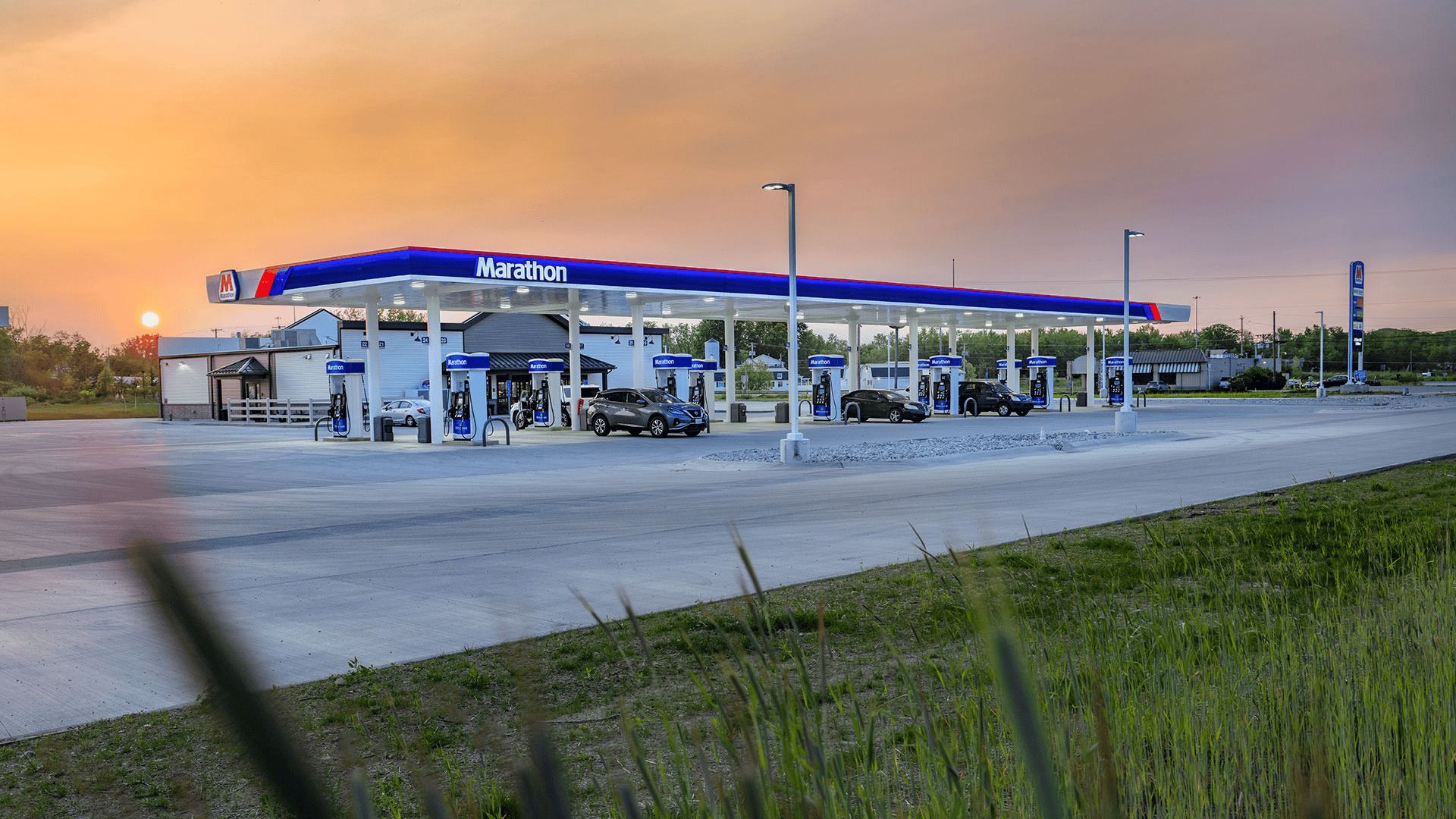
Retail fueling refers to the conventional model in which motorists refuel at third-party fuel stations or convenience store fuel islands. For many Commercial Fleets, this fueling technique has traditionally been the default, particularly for businesses without a crucial domestic base or for those whose routes extend throughout extensive geographic regions. The number one advantage of retail fueling is comfort. Drivers can refuel for the duration of enterprise hours nearly anywhere, avoiding the need to go back to a crucial depot. This is particularly beneficial for income teams, long-haul trucking operations, provider technicians, and emergency response fleets whose vehicles are continuously on the road. Retail stations also shift maintenance and regulatory compliance responsibilities, including environmental tracking and underground tank certification, to the station owner, thereby reducing the operational burden on the fleet. However, retail fueling regularly faces unpredictable fuel costs, frequent stops that disrupt workflow, and complexities in monitoring fuel fees for accounting and budgeting. Without the right fuel card applications or reporting structures, organizations can be tempted to manipulate fuel price visibility and motive force accountability.
Direct Cost Comparison: Fuel Price, Infrastructure, and Technology
When evaluating the direct costs of on-webpage fueling versus retail fueling for Commercial Fleets, 3 predominant cost categories emerge: fuel charge per gallon, infrastructure investment, and fueling technology systems. On-web page fuel costs are generally lower because fleets can purchase in bulk and avoid retail station markups. Businesses typically benefit from wholesale pricing agreements with fuel suppliers, which stabilize prices and enable more accurate budgeting. However, those financial savings can be offset by infrastructure costs, such as tanks, pumps, fueling islands, metering structures, and site training, all of which require capital funding and ongoing maintenance. Retail fueling eliminates upfront infrastructure costs because the fleet uses existing public fuel sites. Still, retail costs are inherently lower, driven by aggressive pricing, taxes, and comfort premiums. Fuel card structures can help with fuel utilization and offer rebates; however, they do not often align with the wholesale benefits of online fueling. For many organizations, the tipping point among those fashions comes down to fuel consumption level. High-extent fleets generally see quicker payback on on-web page infrastructure funding, whilst lower-extent or particularly cell fleets might also additionally discover retail fueling more realistic notwithstanding better in line with-gallon prices.
Indirect Costs and Operational Efficiency
Indirect costs, those not immediately reflected in gas invoices, often affect the actual cost of fueling techniques for Commercial Fleets. Time spent detouring to retail stations, gas robbery, loss of motive force productivity, and administrative overhead can dramatically affect the overall cost of ownership. On-web page fueling complements operational performance by consolidating fueling across different depot sports, including car inspections, protection, and motive force briefings. Fleet managers can implement fueling schedules, reduce idle time, and minimize course delays. Centralized fueling also enables tighter control over access, minimizing gas loss from theft or unauthorized use. Retail fueling, while convenient, can introduce inefficiencies. Drivers may also make unscheduled gas stops, which can lengthen the overall course. In addition, without specific gas consumption monitoring, administrative groups regularly spend extra time reconciling receipts, auditing gas cards, and chasing discrepancies.
Safety, Compliance, and Risk Management
Safety and regulatory compliance are important concerns for fuel operations. On-site fueling requires organizations to adhere to stringent federal, state, and local regulations governing fuel storage, spill prevention, fire protection, and environmental protection. This includes regular inspections, containment structures, emergency response planning, and training for staff handling fueling equipment. While compliance imposes ongoing operational requirements, on-site fueling also enables fleet owners to design safety systems tailored to their specific fleet needs. With proper training and oversight, organizations can reduce on-road fueling risks and ensure that each fueling event follows internal safety protocols. In contrast, retail fueling places most compliance responsibility on station owners. This reduces administrative burden for the fleet but introduces variability. Not all retail stations follow the same safety standards, and organizations risk exposure to fuel contamination, equipment malfunctions, or legal liability issues outside their direct control. For station owners and distributors, providing a safe, compliant fueling environment—whether on-site or at retail locations—builds trust with commercial clients and strengthens long-term partnerships.
Tax, Accounting, and Reporting Implications
Taxation and financial reporting affect how fuel expenses are treated in commercial enterprise accounting. For commercial fleets, these implications vary significantly between onsite fueling and retail fueling. On-site fuel purchases made directly for commercial enterprise use may qualify for specific tax credits, exemptions, or rebates, depending on the jurisdiction and regulatory incentives, especially for agricultural, emergency services, or government operations. Detailed metering and monitoring systems simplify cost allocation by vehicle, route, or department, enhancing transparency for internal reporting and external audits. Retail fueling requires organizations to collect receipts, reconcile fuel card transactions, and frequently use third-party reporting tools to capture fuel data. While some fuel card programs provide basic reporting, the data may not always meet internal compliance standards or provide sufficient detail for cost allocation. Fuel tax reporting for diesel, gasoline, or alternative fuels can be complex. Utilizing onsite fueling often centralizes tax documentation and streamlines deductible fuel use reporting. Regardless of the fueling method, accurate, consistent monitoring remains essential to avoid compliance penalties and optimize overall tax performance.
Making the Best Choice: Why Bradhall Fuel Can Help
Choosing between online fueling and retail fueling isn’t a one-size-fits-all decision. For Commercial Fleets with predictable routes, high-volume utilization, and centralized operations, online fueling delivers lower, more consistent per-gallon costs, improved efficiency, and stronger fuel management. For cellular fleets or operations without a centralized base, retail fueling gives flexibility and decreased capital investment. Each commercial enterprise has to compare its operational structure, growth plans, geographic coverage, and cost sensitivity to determine the optimal approach. For gas groups, station owners, and gas distributors, knowing those dynamics positions you to better serve your industrial clients. Fleet managers need partners who offer aggressive pricing, flexible transport options, compliance support, and the ability to optimize fuel consumption. Bradhall Fuel focuses on meeting the specific needs of Commercial Fleets across industries, including agricultural groups, government operations, and retail gas companies. By supplying dependable on-site fueling systems, tailored delivery schedules, and expert support, Bradhall Fuel enables teams to reduce fueling costs, improve operational uptime, and gain greater control over their fuel resources. When you pick Bradhall Fuel, you get more than gas; you get a partner devoted to optimizing your fueling strategy for progressive performance and long-term success.
Share:
More Posts


Get In Touch
👉 Contact Brad Hall Fuel today to learn how our bulk fuel solutions can power your business—wherever you are.