
The Importance of Timely Testing of Fuel, Testing, and Quality Control
Timely testing, fuel testing, and quality controls are vital for ensuring operational effectiveness and maintaining equipment durability. BradHall Fuel provides high-quality, reliable, and timely fuel to meet the needs of all businesses.
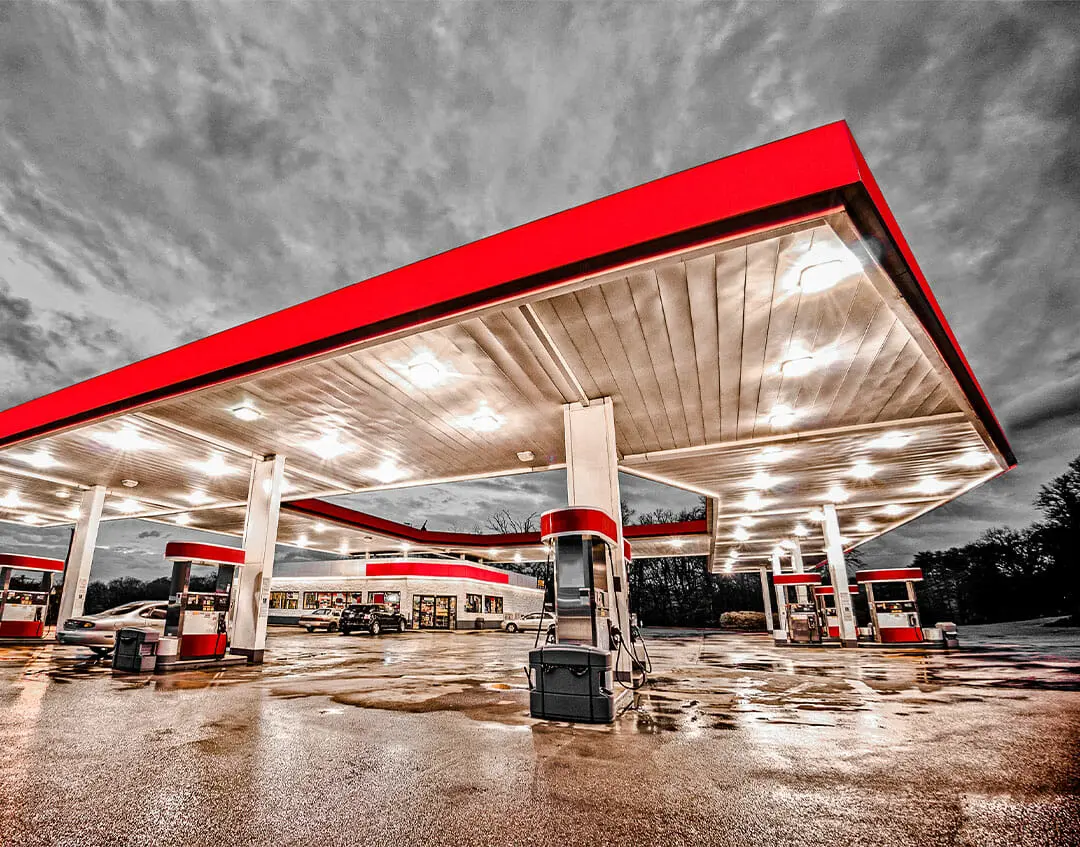
The Importance of Timely Testing of Fuel, Testing, and Quality Control
In the fuel industry, whether in commercial or retail applications, it isn’t simply a matter of compliance but an essential aspect that affects operational efficiency, safety, and profitability. Quality control and testing of the fuel are crucial steps to ensure the product supplied meets specific requirements and is free of contaminants. Timely fuel testing and robust quality control procedures help companies prevent operational problems, reduce expenses, and increase customer satisfaction. In this post, we’ll explore the significance of testing for fuel quality and quality control in businesses that use fuel, such as gasoline stations, agricultural companies, and government fleets.
The fuel supply is vital to several businesses, particularly in the commercial and retail industries, including gasoline stations, agricultural companies, and government-related operations. Poor-quality fuel can cause costly equipment repairs or operational deficiencies, and possibly even hazardous incidents. For gas station owners and fleet managers, ensuring the high quality of their fuel is crucial to ensure the smooth running of their businesses and to avoid unexpected failures.
A significant issue is fuel contamination. The problem is that it may occur at any stage of distribution and storage. It doesn’t matter whether it’s during transit, sport, or in Storage or distribution; fuel contamination may result in clogged filters, engine failure, or even wasted fuel. In the current focus on sustainable development and environmental requirements, ensuring high-quality fuel is no longer optional. It’s the foundation of a fuel-related business’s success.
2. Understanding the causes of fuel Contamination and the implications for your business
A major concern is fuel contamination. Issues that could affect any type of fuel, such as gasoline, diesel, and biodiesel. Water, dirt, dust, and microbes may infiltrate fuel and cause problems with engine operation. For instance, water contamination could cause rusting in the engine’s fuel lines and other parts. The growth of microbes, also known as diesel bug, creates a blockage in filters and causes corrosion to the engine, which could result in significant operating downtime.
The presence of particles and other harmful substances in the fuel may also decrease engine efficiency, raise maintenance costs, and even damage costly equipment. They can affect a range of areas, including agriculture firms that depend on fuel to run their equipment and government fleets that need fuel to operate public service vehicles.
3. Industry Standards and Regulatory Compliance
One of the most important reasons for testing fuel is to ensure that it meets industry standards. In numerous areas, the fuel providers must meet certain specifications for the quality of their fuel, for example, ASTM D975 diesel fuel. The standards address crucial parameters for fuel, such as the number of cetane units, water content, and sulfur levels. Fuel distributors and gas stations should ensure their fuel complies with these standards to avoid fines and maintain their good standing in the marketplace.
4. The importance of Fuel Testing in preventing equipment failures
Testing fuel quality is important for preventing costly equipment failures. A regular testing program allows companies to spot issues in fuel quality before they cause malfunctions. For example, testing for water contaminants can help detect early signs of rust or microbial growth in tanks used for storage. If not addressed, the issues can cause engine problems and cost companies thousands of dollars in repairs and downtime.
By investing in prompt testing of fuel, companies can avoid the burden of repairs or replacements. Instead of waiting for fuel issues to become more severe, companies can actively manage fuel quality by ensuring machinery, engines, and other equipment are properly maintained. This method of prevention saves money in the long run and ensures uninterrupted operation, which is essential for firms that rely on continuous use of machines and vehicles.
5. Enhancing Efficiency of Operation Through Quality Control
The quality of the fuel you use is directly related to operational efficiency. Clean fuel is the best for engine performance. This results in improved fuel efficiency. When engines run on pure fuel, they use less fuel to produce the same output. This reduces operational costs. Additionally, high-quality fuel reduces engine and mechanical part wear, extending their lifespan and reducing the need for maintenance.
If they can ensure that the fuel they use is top-quality, companies can reduce their carbon footprint and lessen the air pollution they contribute. This method not only helps achieve sustainability targets but also supports consumers and the image of their products, especially in industries with a major environmental impact.
7. Best Methods to Conduct the Fuel Testing and Quality Control
To ensure testing and quality assurance processes work effectively, companies must adopt a set of best practices.
- Analyzing and sampling regularly: Fuel should be analyzed and sampled regularly to identify any potential issues related to degradation or contamination. The samples should come from the tank and the dispensing pumps.
- Use Filtration Systems to Improve Fuel Quality: Filtering systems will help remove impurities from the fuel before it enters the engine. Filtration systems can be particularly beneficial for removing water and other materials that may have entered the fuel during transport or storage.
- Ensure staff are trained in the proper handling of fuel. Methods: Staff must be taught appropriate procedures for handling fuel to reduce the risk of contamination. This means using clean equipment, ensuring tanks are closed safely, and observing proper Storage procedures.
- Record Tests and the Actions taken: Recording complete records of every test of the fuel quality and the corrections made is crucial for ensuring compliance and monitoring how fuel performs over time. By following best practices in the fuel industry, it is possible to ensure that fuel field quality is effective and robust. These guidelines help businesses reduce the risk of poor fuel quality, cut expenses, and maintain customer confidence.
8. Partnership with reliable suppliers of fuel
Quality control and testing of fuel can only be effective if the fuel supplied is top-quality in the first place. So, companies that sell fuel need to establish relationships with trusted suppliers committed to fuel quality. The most reliable supplier will provide clear information on fuel specifications and quality-control methods, ensuring customers receive premium gasoline that meets industry standards.
Additionally, companies must work closely with suppliers to stay informed about changes in fuel composition and any regulatory requirements. Being in constant contact with suppliers enables businesses to address potential concerns about fuel quality before they become major issues. By collaborating with a reputable fuel supplier, companies can improve their control over fuel quality procedures and increase the efficiency of their operations overall.
Your trusted partner for quality fuel Delivery
The conclusion is that testing for fuel quality, as well as quality control, are crucial factors in ensuring that operations in the fuel industry run smoothly. For businesses that depend on fuel, such as petroleum companies, gas stations, or government fleets, ensuring that all the gasoline they sell or consume is high-quality is vital to their operations’ success. With regular fuel testing and strict quality controls, companies can save on costly repairs, improve fuel efficiency, and ensure customer satisfaction.
BradHall Fuel offers the best delivery services to meet your fuel needs, ensuring you receive high-quality fuel when you need it. Our focus on fuel quality and commitment to customer satisfaction set BradHall Fuel apart as a reliable service provider for all fuel-delivery needs. When you choose BradHall Fuel, you can ensure that all your fuel needs are met with the highest standard of service and quality.
Share:
More Posts


Get In Touch
👉 Contact Brad Hall Fuel today to learn how our bulk fuel solutions can power your business—wherever you are.